You find a piece you like, but the listing gives you no way to learn who made it or whether the artist is open to a commission. That gap turns discovery into a dead end. A thoughtful artist directory should make the work easy to find and the next conversation easy to begin.
Give the Work a Frame
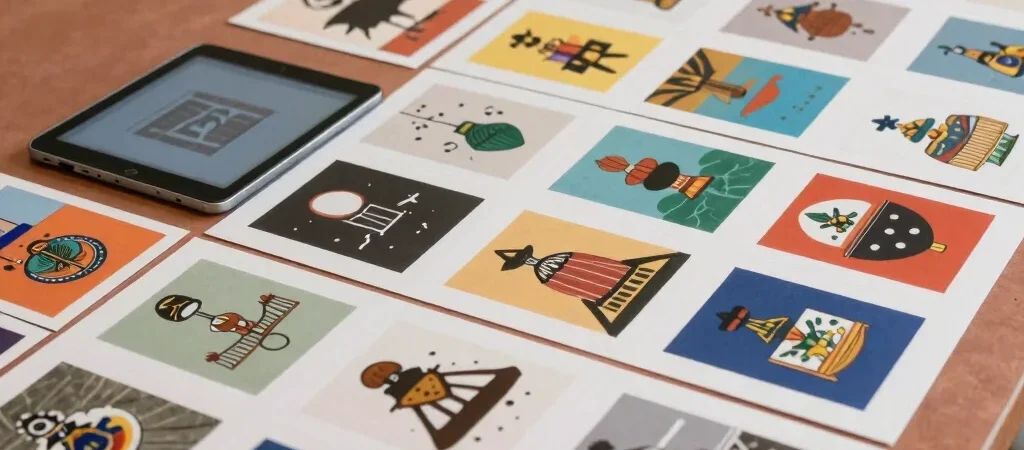
A useful profile pairs images with details: the artist’s name, the forms or materials they choose to describe, and a short statement in their own words. Those details let visitors compare works without flattening different practices into one idea of Haitian art. Image captions and credits matter too, especially when a photograph is shared beyond its original page.
Make Contact Clear
Visitors may be looking to buy an available work, ask about a commission, invite an artist to an exhibition, or simply follow their next project. A profile should make clear which of those routes are available and where to take the inquiry. Keep contact information current, and say when a message is best directed through a venue, representative, or marketplace listing.
Keep Listings Current
An artist’s location, availability, and exhibition schedule can change, so a directory works best as a living resource rather than a one-time roll call. Mark whether a work is available, and update links when a show or event has passed. For artists and venues alike, a small, accurate profile is more useful than a long page of stale information.
Build a Way In
The directory is not just a collection of names; it is a meeting point between artists and the people who want to engage with their work. If you are an artist or venue, begin with a few strong images, a clear description, and one reliable contact route. If you are browsing, use those details to move from looking to a direct, considered inquiry.