
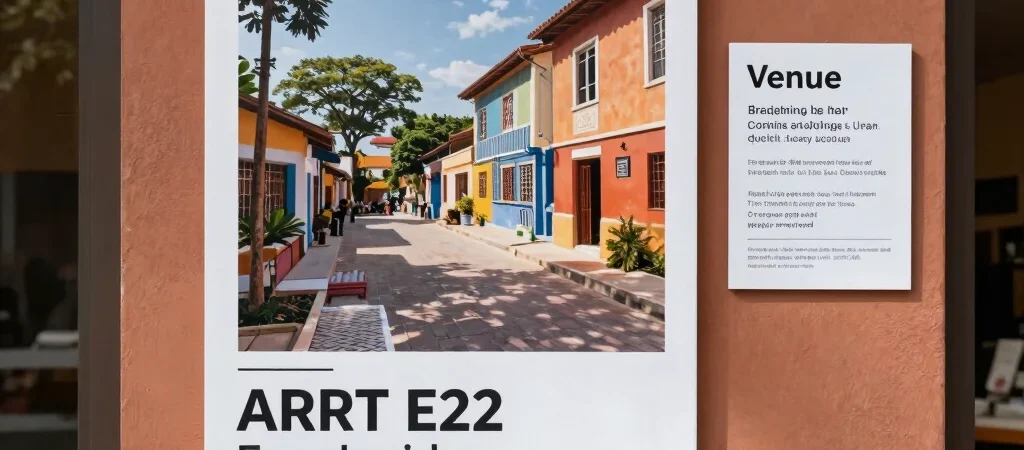
You see an exhibition announcement shared days after its opening, or a community event with no venue named. The artwork may catch your attention, but missing details make it hard to show up. A strong listing treats logistics as part of the invitation.
Put the Essentials First
Give the event title, date, start time, venue, and location in a form people can scan quickly. In Haiti, naming the city and giving a recognizable venue or neighborhood can make a listing more useful than relying on a poster image alone. If plans change, update the listing and make that change easy to spot.
Name Who Is Involved
A good event listing tells you who’s involved and where to go. Name the artists, venue, organizer, or promoter, and explain what visitors can expect: an exhibition opening, a performance, a market, or a conversation. That context helps audiences decide whether the event is for them and gives interested people a clear way to follow up.
Make the Visit Easier
Add practical information when it is available, such as admission details, language, accessibility, or a contact for questions. Avoid guessing at details that have not been confirmed; a clear note that visitors should check with the organizer is better than an unsupported promise. Include a useful image, but keep the essential information in text so it is still findable.
Keep the Invitation Alive
After the event, mark the listing as past rather than leaving it to look upcoming. A short recap or a link to participating artists can help the gathering lead to future discovery. For organizers and promoters, the next listing starts with the same habit: share confirmed details early, then keep them current.